
What to Expect During a Professional Masonry Installation
People seeking what to expect during a professional masonry installation can rely on local contractors to handle the work efficiently and ensure a durable, high-quality result.
Understanding what to expect during a professional masonry installation can help property owners feel more prepared for this important project. Whether planning to enhance a patio, build a retaining wall, or add decorative features, knowing the typical process and key steps involved ensures a smoother experience. Local contractors specializing in masonry work are equipped to handle these projects efficiently, providing quality craftsmanship that aligns with the specific needs of the property. Exploring this topic can also help property owners identify what questions to ask and how to assess the progress of their installation, making it easier to stay informed and confident throughout the process.
For those considering masonry work, understanding the stages of a professional installation can clarify what’s involved and what to expect along the way. From initial site preparation to finishing touches, local service providers are experienced in managing each phase, ensuring the work is completed to high standards. Learning about these steps can also highlight the importance of proper planning and coordination, which helps prevent surprises and ensures the final result meets expectations. Keep reading to discover practical insights that can assist property owners in making informed decisions about their masonry projects.
- Patio or walkway installation - homeowners considering outdoor improvements can rely on local contractors to prepare the site, lay durable materials, and ensure proper finishing for long-lasting results.
- Fireplace or outdoor fireplace construction - those wanting a cozy feature or functional outdoor heating source can expect experienced service providers to handle masonry work with attention to safety and aesthetics.
- Retaining wall building - property owners needing to manage soil or create level areas can count on local pros to design and construct sturdy, well-placed retaining structures.
- Brick or stone veneer installation - individuals updating facades or adding decorative features can work with local contractors to achieve seamless, professional finishes.
- Chimney repair or rebuilding - homeowners with aging or damaged chimneys can trust local service providers to assess, restore, or rebuild masonry components safely and effectively.

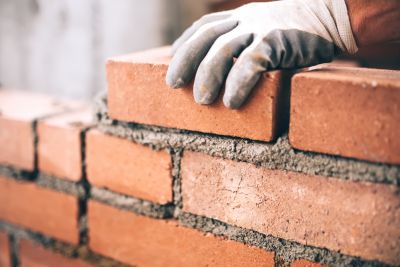
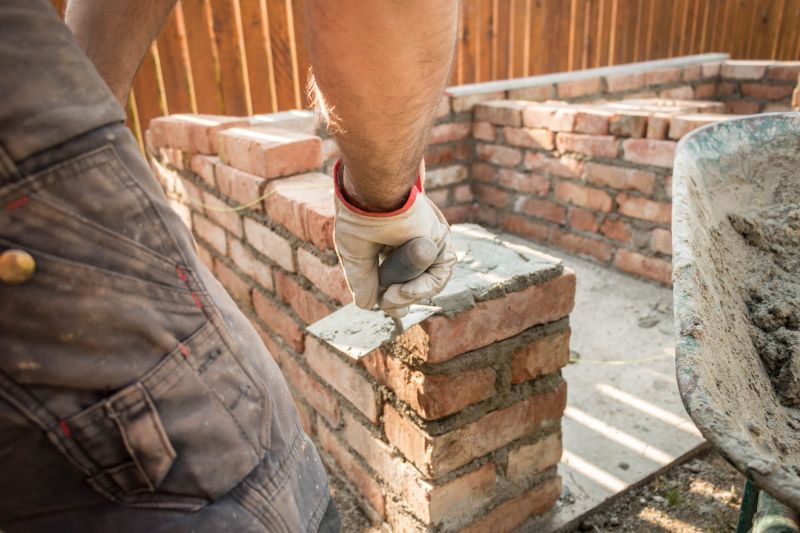
When searching for information on what to expect during a professional masonry installation, homeowners are often trying to understand the overall process involved in adding or renovating structures such as brick or stone walls, patios, fireplaces, or walkways. They want to know how the work will be carried out, what steps are involved, and what kind of results they can anticipate. This knowledge helps them prepare for the project, ask informed questions, and ensure that the work aligns with their expectations. Understanding the typical scope of a masonry installation also clarifies how experienced local contractors approach each phase, from initial planning to finishing touches, providing peace of mind that the job will be handled with skill and attention to detail.
Masonry installations are frequently connected to home improvement plans that aim to enhance property aesthetics, improve functionality, or increase property value. Common problems that lead homeowners to seek professional masonry services include repairing damaged brickwork, upgrading outdated facades, or installing durable features like retaining walls or outdoor kitchens. These projects often require careful planning to address structural considerations, weather resistance, and integration with existing property elements. When engaging with local masonry service providers, homeowners can expect a consultation process that considers these factors, ensuring the project is tailored to their specific needs and the property's conditions.
The types of properties where masonry work is most commonly seen include residential homes, especially those with traditional or historic architecture, as well as commercial or public spaces that benefit from durable, long-lasting structures. Residential properties might feature brick facades, stone patios, or fireplaces, while larger estates or commercial sites often incorporate retaining walls, decorative stonework, or outdoor features designed to withstand weather and heavy use. Local masonry contractors are experienced in working with a variety of property types, understanding the unique requirements each presents. This ensures that the installation process is adapted to the property's style, structural needs, and environmental conditions, resulting in a finished product that complements and enhances the property.
During a professional masonry installation, homeowners can generally expect a systematic approach that begins with assessment and planning, followed by preparation of the site, and then the actual construction process. This includes work such as laying bricks or stones with precise alignment, ensuring proper mortar application, and paying attention to details like leveling and joint finishing. The process often involves some site preparation, such as clearing or excavating, and may include temporary measures to protect surrounding areas. Local service providers bring expertise to each stage, helping to ensure that the finished work is both visually appealing and structurally sound. Knowing what to expect during a professional masonry installation helps homeowners feel confident in the process and the quality of the results that local pros can deliver.
Fireplace and Chimney Projects - These projects require precise masonry skills and careful planning, similar to those needed for professional masonry installation to ensure durability and safety.
Retaining Wall Construction - Building retaining walls involves understanding soil, drainage, and structural support, aligning with the planning and execution aspects of masonry installation.
Patio and Walkway Installations - Creating functional and aesthetic outdoor surfaces involves laying stones or pavers, which shares techniques used in masonry work.
Facade and Exterior Wall Cladding - Applying stone or brick veneers to building exteriors requires similar surface preparation and material handling as in masonry installation.
Outdoor Fireplace and Oven Building - These features demand specialized masonry techniques and attention to detail, paralleling the skills used during professional masonry projects.
Stone and Brick Landscaping Features - Crafting features like garden borders or decorative walls involves masonry skills that are closely related to those in professional masonry installation services.
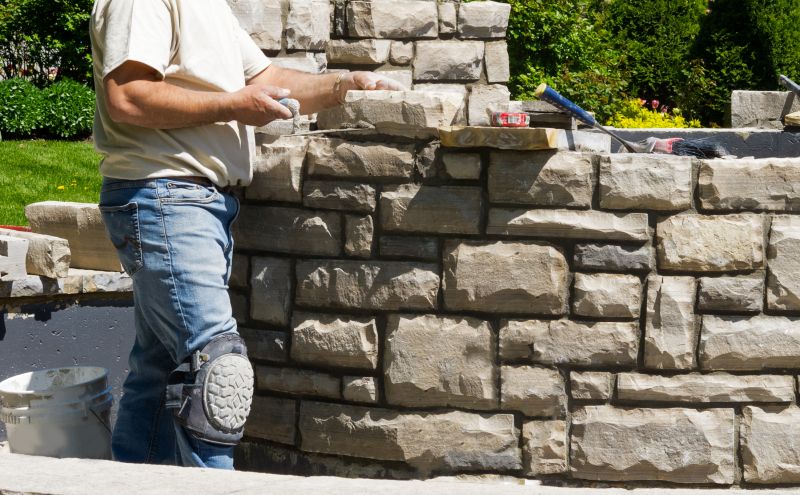
When evaluating masonry installation services, it’s important to consider a contractor’s experience with similar projects. Homeowners should inquire about the types of masonry work the service provider has completed in the past, ensuring they have a track record of handling projects comparable in scope and style. A contractor with relevant experience is more likely to understand the specific techniques, materials, and challenges involved, which can contribute to a smoother installation process and a result that meets expectations. Reviewing portfolios or asking for references related to similar projects can provide insight into their expertise and the quality of their work.
Clear, written expectations are essential when choosing a masonry contractor. Homeowners should seek detailed proposals that outline the scope of work, materials to be used, and the steps involved in the installation process. Having this information in writing helps prevent misunderstandings and ensures everyone is aligned on the project’s goals. Good communication from the start can also indicate a contractor’s professionalism and commitment to transparency, making it easier to address questions or concerns as the project progresses.
Reputable references and positive feedback from previous clients are valuable indicators of a service provider’s reliability and craftsmanship. Homeowners are encouraged to ask local contractors for contact information of past clients who had similar masonry work done. Listening to firsthand accounts can reveal how well the contractor manages projects, communicates, and handles unforeseen issues. Additionally, maintaining open lines of communication throughout the project is crucial; a responsive contractor who provides regular updates and is receptive to questions can help ensure the installation proceeds smoothly and aligns with the homeowner’s expectations.
Property owners often search for what to expect during a professional masonry installation when they are planning practical projects around their homes and businesses. Local pros provide Masonry Installation services for everyday jobs and straightforward project options.
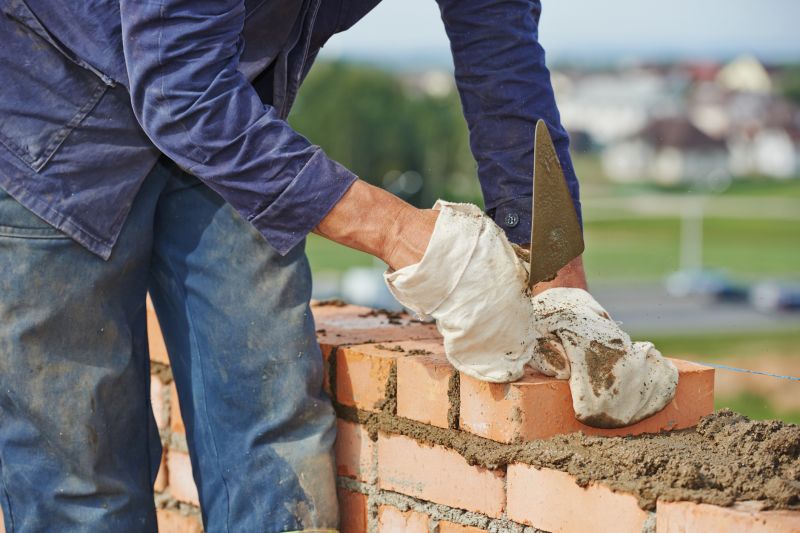
Understanding what to expect during a professional masonry installation can help property owners prepare for the process and ensure a smooth project. Typically, local contractors will start by assessing the area and discussing the desired design or function, which helps set clear expectations from the beginning. During the installation, it’s common to see the use of various tools and materials, and the work may involve some temporary disruptions around the property. This phase often includes careful planning to ensure the finished structure will be durable and aesthetically aligned with the property’s style.
Property owners in the area often look up this topic to gain insight into the steps involved and to identify reliable service providers who can handle the job efficiently. Knowing what occurs during a masonry installation can also help in understanding the importance of proper site preparation and the role that experienced local contractors play in achieving a quality result. By working with seasoned professionals, property owners can expect a process that emphasizes craftsmanship, attention to detail, and the use of quality materials to create lasting masonry features.
What should I expect during a professional masonry installation? During a professional masonry installation, you can expect the service providers to prepare the site, ensure proper material handling, and execute the work with attention to detail. They will typically communicate about the process and any necessary preparations to ensure a smooth project. The work often involves precise measurements, mixing, and layering of materials such as brick, stone, or concrete. Overall, the process aims for a durable and aesthetically pleasing result, handled efficiently by experienced contractors.
How do local contractors prepare for a masonry installation? Local contractors usually start by assessing the site, verifying measurements, and preparing the foundation or base. They may clear the area, set up scaffolding or support structures, and organize materials to ensure a steady workflow. Proper preparation helps prevent issues during installation and contributes to the longevity of the finished work. This initial step is essential for achieving a quality and lasting masonry project.
What tools and materials are used during a masonry installation? During a professional masonry installation, contractors use tools like trowels, levels, masonry saws, and mixers. Materials such as bricks, stones, mortar, and concrete are carefully selected and handled to meet the project’s specifications. Proper use of these tools and materials ensures the work is accurate, stable, and visually appealing, with local service providers managing these details efficiently.
What are common steps involved in a masonry installation process? The typical steps include site preparation, layout marking, foundation or base setting, layering of materials with mortar, and finishing touches like cleaning and sealing. Experienced contractors follow a sequence that promotes structural integrity and visual quality. They also ensure proper curing and drying times to achieve optimal results.
What should I expect in terms of the finish and cleanup after a masonry installation? After the masonry work is completed, local pros usually clean the site, removing excess materials and debris. The finish should be smooth and aligned, with mortar joints properly filled and finished. Some contractors may also apply sealants or protective coatings, depending on the project. The goal is to leave the site tidy and the masonry work looking professional and durable.
Site preparation - Property owners should understand the importance of clearing and leveling the area to ensure a stable foundation for masonry work, which local contractors can assist with.
Material selection - Choosing the right bricks, stones, or blocks is key for durability and style, and local service providers can offer guidance on suitable options.
Installation process - Knowing what steps are involved, from laying the foundation to finishing touches, helps property owners anticipate the work and coordinate other projects accordingly.
Final inspection and cleanup - After installation, professionals typically review the work for quality and leave the site tidy, providing property owners with confidence in the completed project.
If you are thinking about what to expect during a professional masonry installation for a property, this guide is meant to help you understand this topic, the typical project types, and how different options might fit your plans.
When you are ready, you can use the quote form on this page to share a few details about your project. From there, local pros can review the basics and follow up with options that match what you have in mind.